What Logic Thinking Looks Like
Logic is the habit of asking, “If this is true, what else must be true?” You hold a few rules in mind, test them against the board and rule things out until only one option survives. It is slow at first and then oddly satisfying, because every placed piece is backed by a reason you can point to.
Logic Games on This Shelf
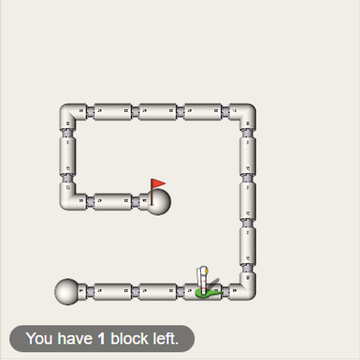
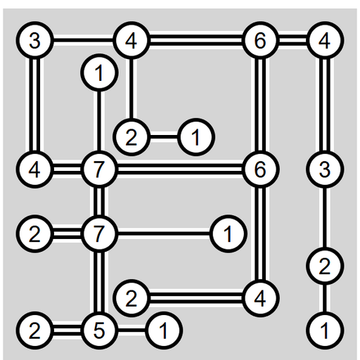
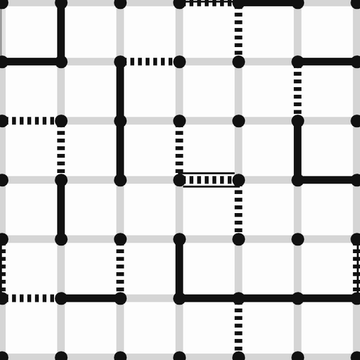
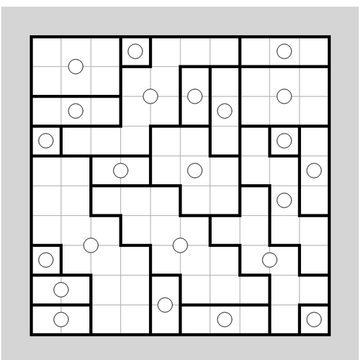
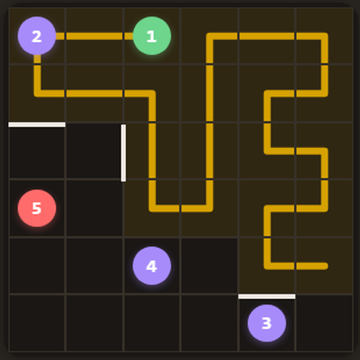
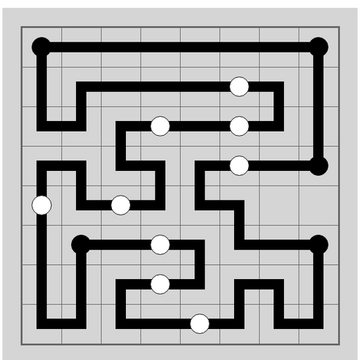
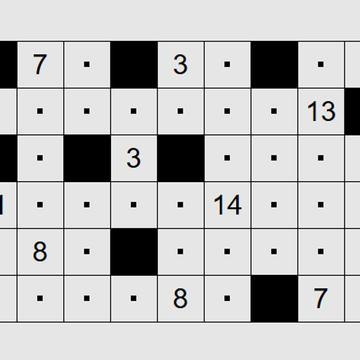
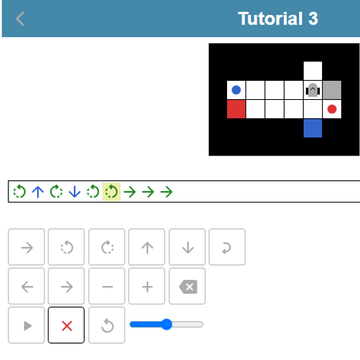
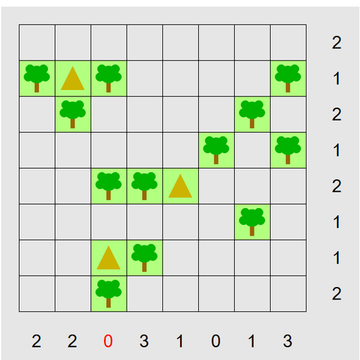
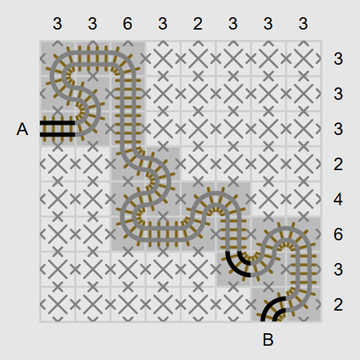
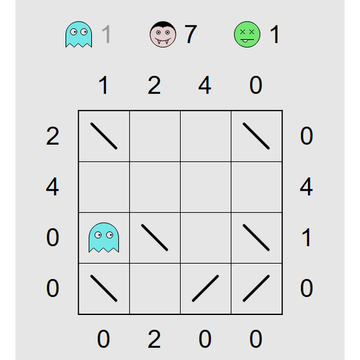
Several puzzles here are pure deduction grids. In Bridges Island Puzzle, each island carries a number, and you draw straight bridges until every count is met and all islands connect. Tents and Trees Puzzle pairs each tree with one tent beside it while row and column totals limit where tents can go. Train Track Logic asks you to link points A and B with one railway that matches the track count on every edge.
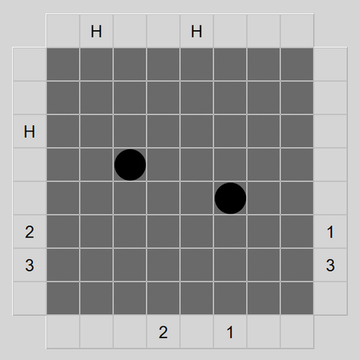
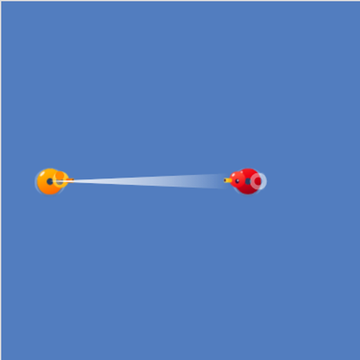
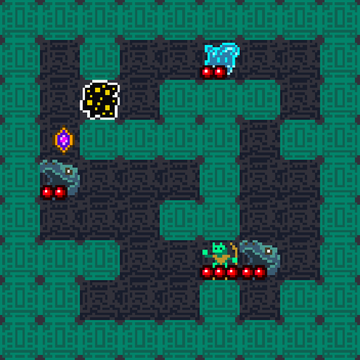
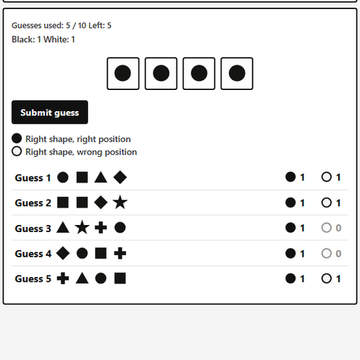
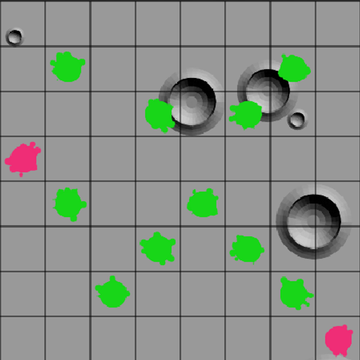
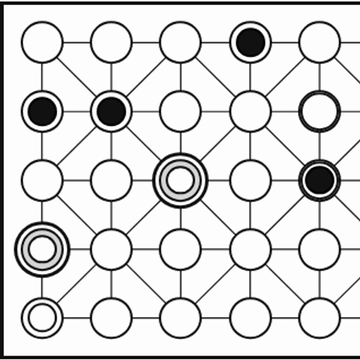
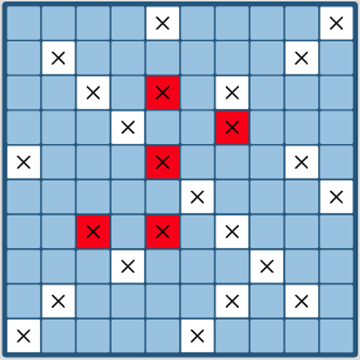
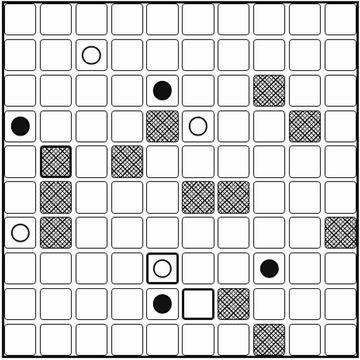
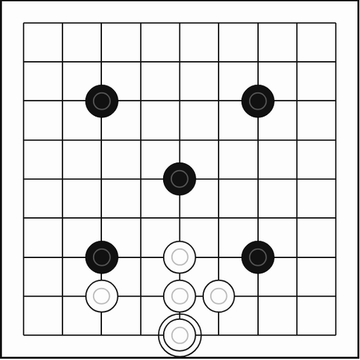
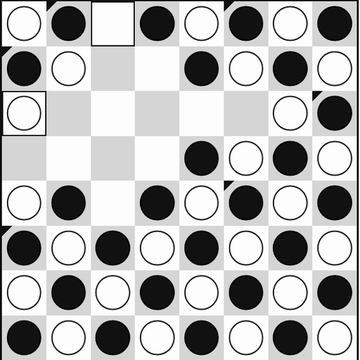
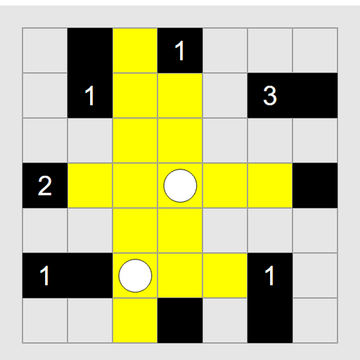
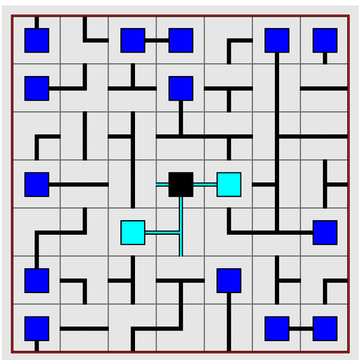
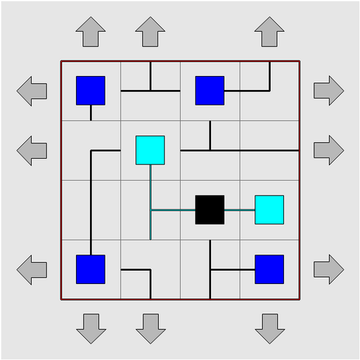
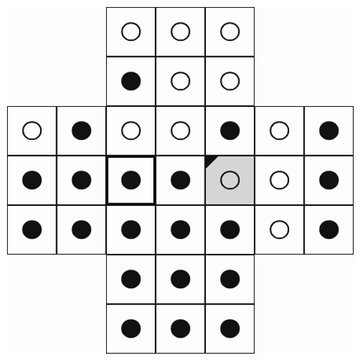
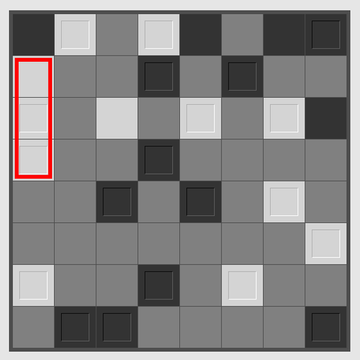
Other games hide the answer and make you probe for it. Black Box Lasers lets you fire beams into a dark grid and read where they come out to locate unseen balls. Bulls and Cows hands you pegs after each guess at a secret row of four shapes, and you narrow the code from that feedback. Crater Space hides three cloaked ships on an eight-by-eight moon, and you track your hits to find the rest of each ship.
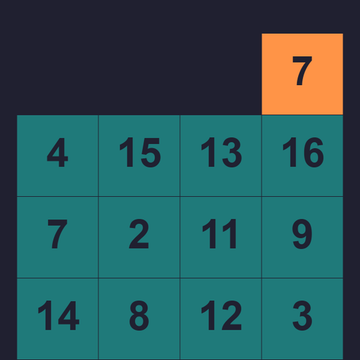
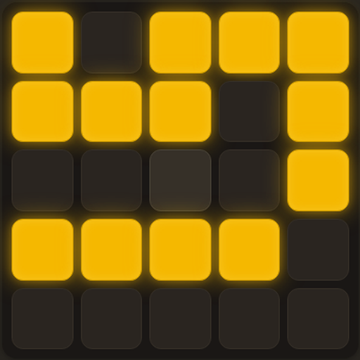
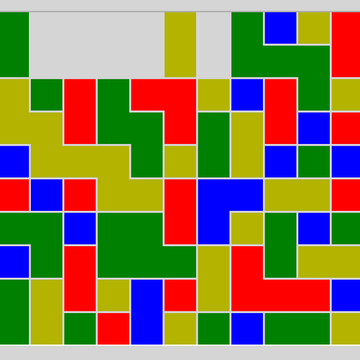
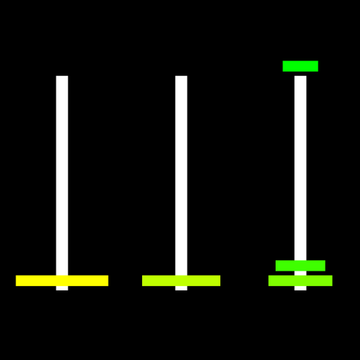
Classic sequence puzzles fit too. Tower of Hanoi shows your move count next to the best possible score, and Light Switch Grid makes you reason about which presses cancel each other out.
Choosing by Difficulty
Use the difficulty label on each game page. Easy picks such as Crater Space or Tower of Hanoi teach the idea of deduction with very few rules. Medium grids, including Bridges Island Puzzle and Tents and Trees, need you to juggle two or three constraints at once. Hard puzzles like Black Box Lasers and Train Track Logic often take several attempts before the method clicks.
If a hard grid stalls you, it is fine to close it and return later. Fresh eyes often spot the forced move that seemed invisible ten minutes earlier.
For Teachers and Parents
Have a student say each deduction as a full sentence: “This square must be empty, because the row already has its two tents.” Naming the reason builds the habit more than speed ever will, and it makes mistakes easy to find and talk through together.