What Sets Action Games Apart
Action games ask you to do several things at once: move, aim, dodge and decide. Compared with the arcade shelf, rounds tend to be longer and have more going on, with enemies that chase, bosses that test you and upgrades that change how you play.
Shooters for Steady Aim
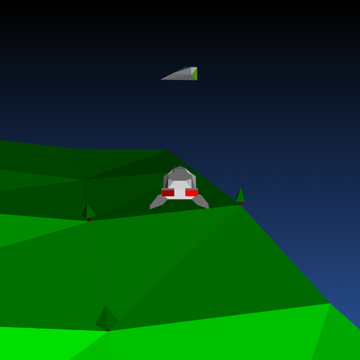
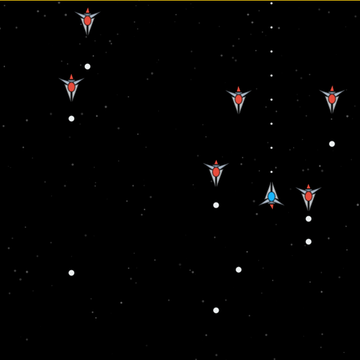
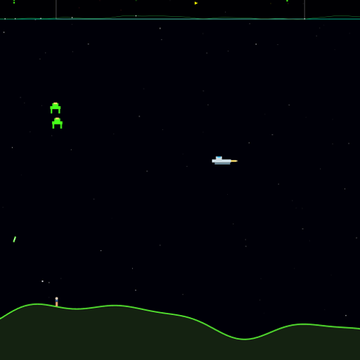
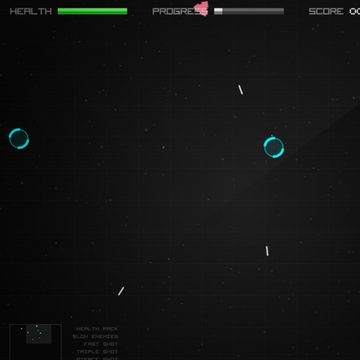
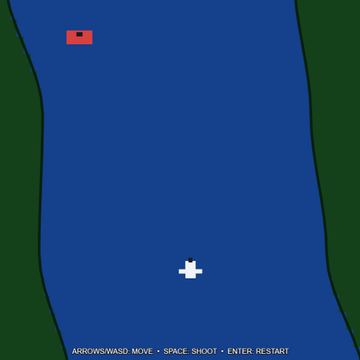
Radius Raid puts a small ship in a large arena where you aim with the mouse against a growing mix of enemies. River Strike sends a jet up a random river, where shooting boats matters as much as flying through fuel depots before the gauge drains. Egg Time Rewind has a neat twist: each death restarts the run and adds a ghost of your old ship to the fight.
Platforms, Swords and Spells
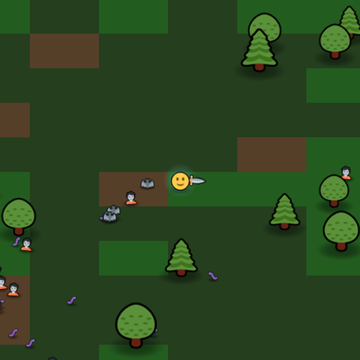
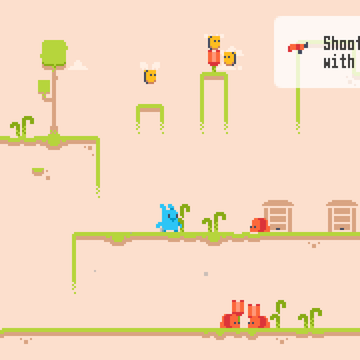
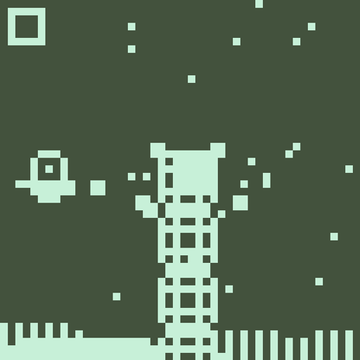
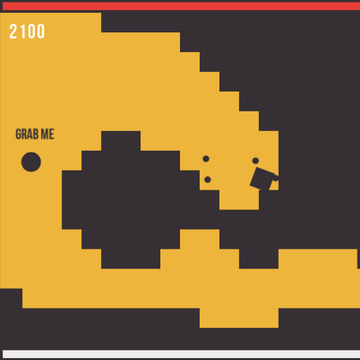
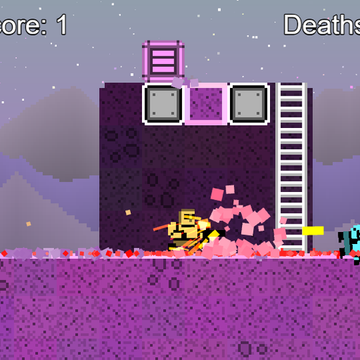
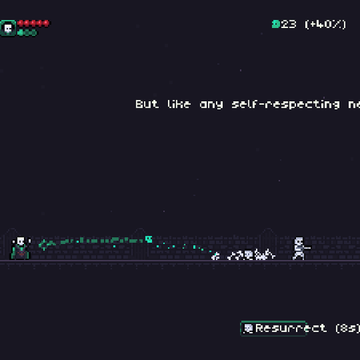
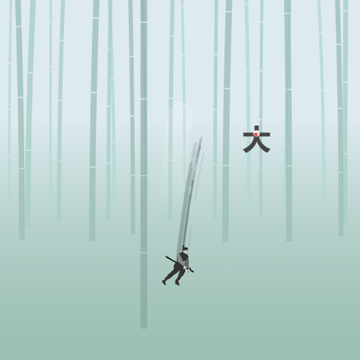
Little Platformer lets bullets and grenades carve holes in the rock as you shoot, jump and dig. Stolen Sword flings a swordsman through the air with one drag while time slows down. Norman the Necromancer has you defend a wizard from villagers with curving spells and raised skeletons. Bee Kind is gentler, with a bunny beekeeper clearing pests across seven pixel levels.
Choosing by Pressure Level
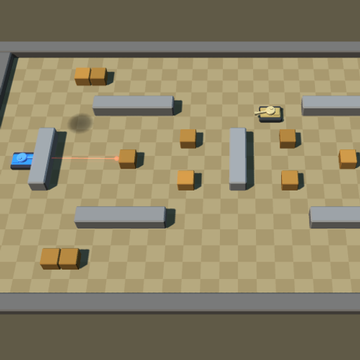
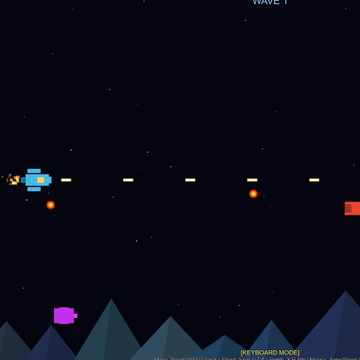
If you want a lighter start, Bee Kind and Lost City of S give you time to learn the space. If you like a challenge, Bullet Hell Space Shooter fills the screen with patterns to slip through. Tank Ricochet is the thinking pick, since its single-bounce shells reward planning angles off stone walls.
A Tip for Surviving Longer
In busy shooters, keep your eyes on your own ship and the space around it, not on the enemies far away. Move in small steps rather than big swerves, because large moves often carry you into a stray shot. When a game offers upgrades between waves, try one change at a time so you can tell what actually helped.
Losing early is part of how these games work. Each run shows you a little more about where danger comes from, so treat a quick defeat as a free lesson. Many players find that their third or fourth attempt lasts twice as long as the first, simply because they now know which corner to avoid.