What Reaction Time Is
Reaction time is the gap between seeing something and doing something about it. It depends on attention as much as speed, because you react faster when you already know where to look. Games train that link between eyes and hands through many tiny decisions in a row.
How These Games Use Quick Reactions
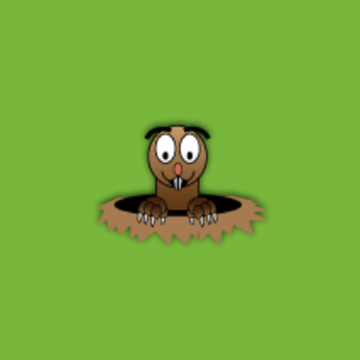
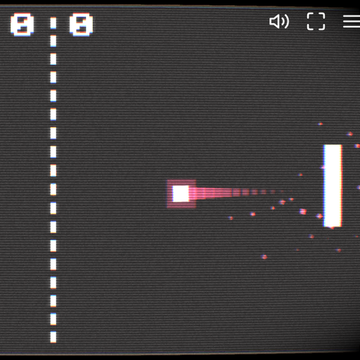
Mole Bonk is the most direct test: a cartoon mole pops up and ducks again almost at once, and quicker hits earn bigger rewards. Paddle Duel is neon table tennis against a computer to 10 points, where each return makes the ball faster.
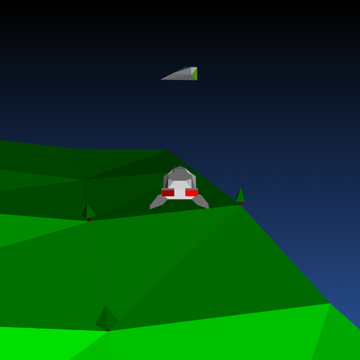
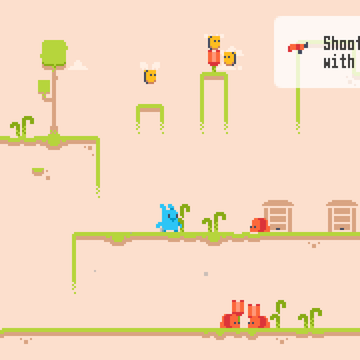
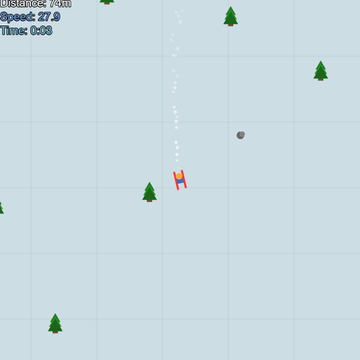
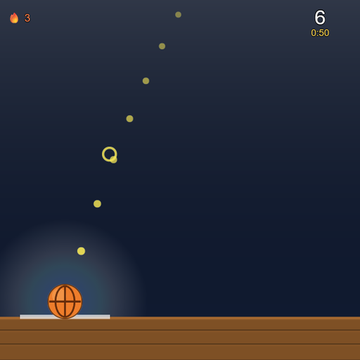
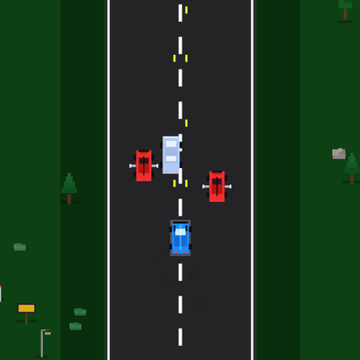
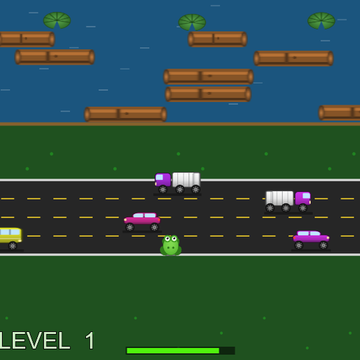
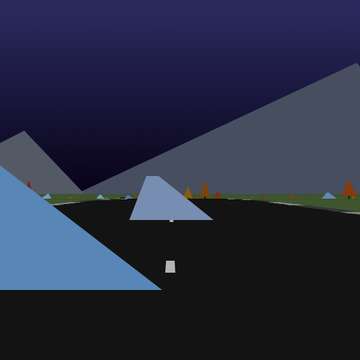
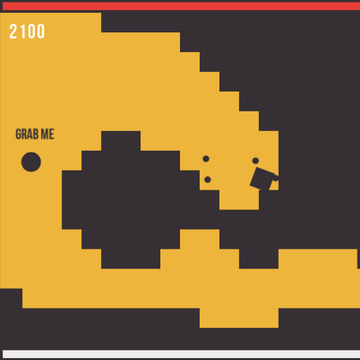
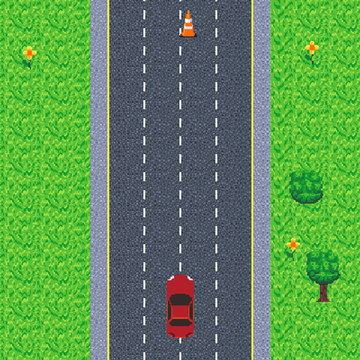
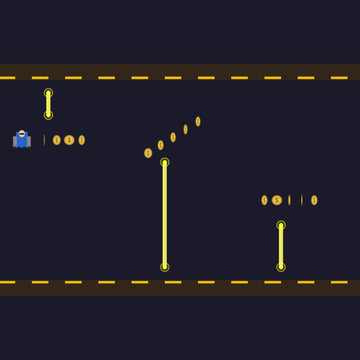
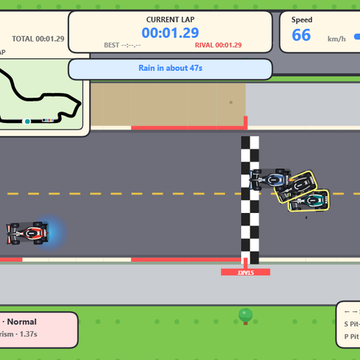
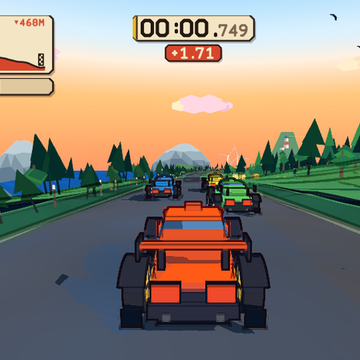
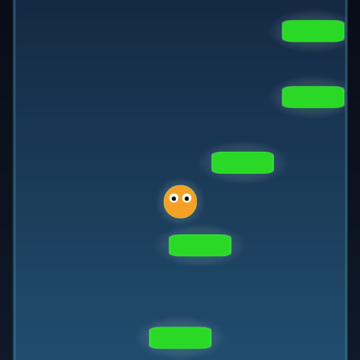
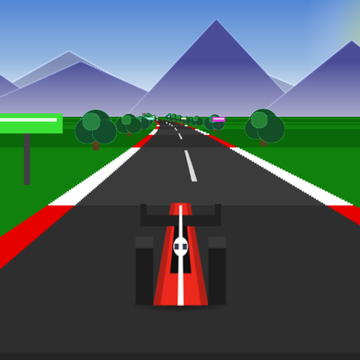
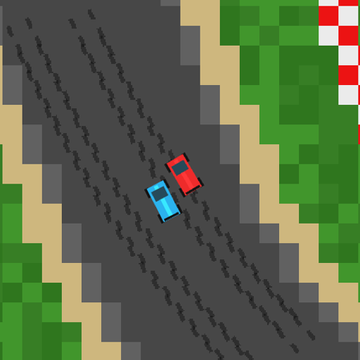
Endless runners test steady reactions over time. Downhill Ski has your skier turn toward the mouse pointer on a hill that never ends, dodging trees and rocks. Sky Hop bounces a round orange ball on its own, so all you do is steer left and right to land on the next ledge. Hop Across moves a frog one square per press over a highway and a river with a timer running. Speedway Sprint hands you sixty seconds and a field of slower cars to pass.
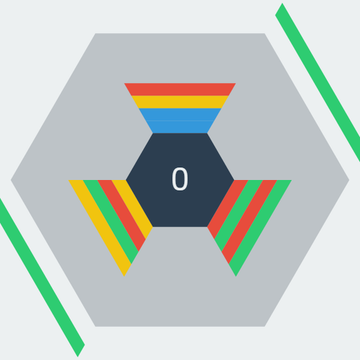
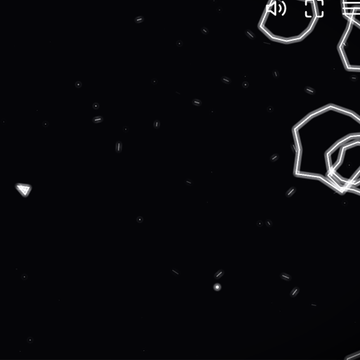
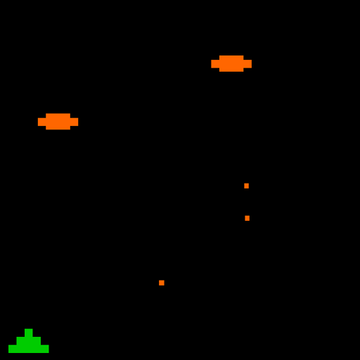
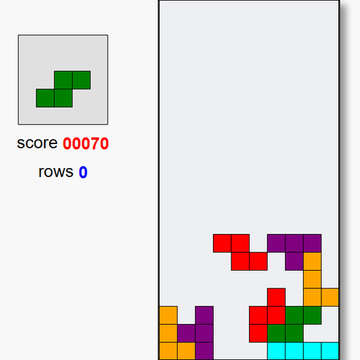
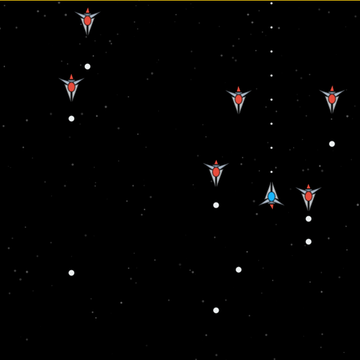
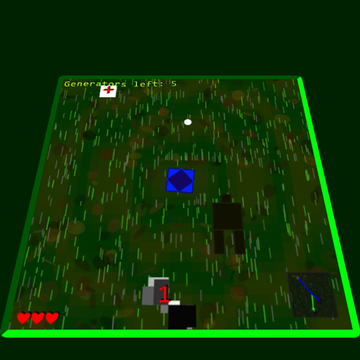
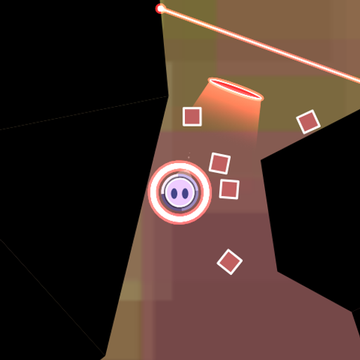
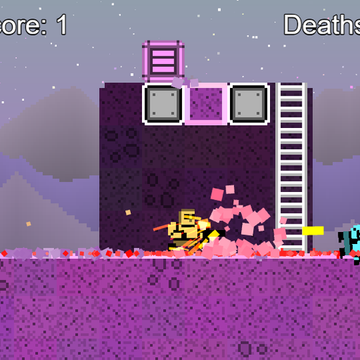
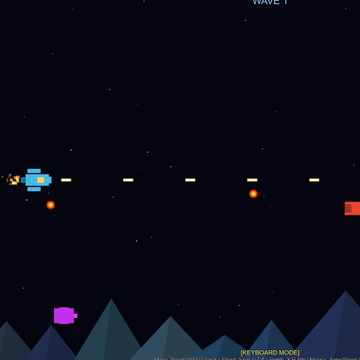
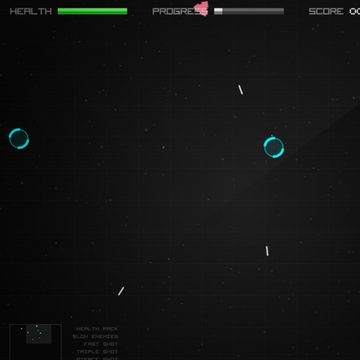
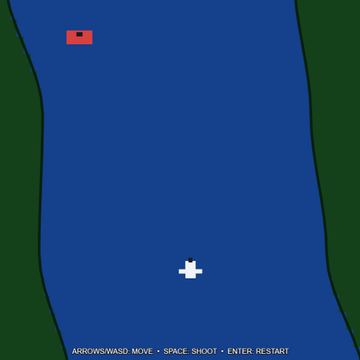
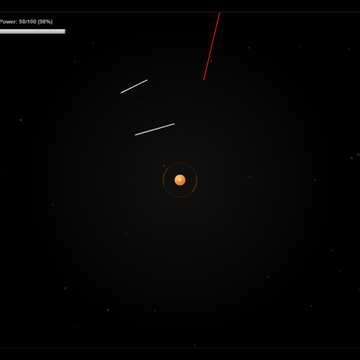
For a tougher challenge, Bullet Hell Space Shooter fills the screen with glowing shots across six levels and two boss fights. Hextris and Block Drop mix fast hands with quick shape decisions as blocks keep arriving.
Picking by Difficulty
Look at each game’s difficulty label. Mole Bonk, Paddle Duel, Downhill Ski, Sky Hop, Hop Across and Speedway Sprint are easy to pick up, though high scores still take practice. Hextris and Block Drop are medium. Bullet Hell Space Shooter is hard and suits players who already enjoy fast arcade games.
If your reactions feel slow, it often helps to look a little ahead of your character instead of right at it. You see trouble coming sooner and have more time to move.
For Parents and Teachers
Treat these as short movement breaks between longer tasks. A two-minute round can reset attention, and setting a round limit up front keeps a quick break from stretching into an hour.