What Working Memory Does in a Game
Working memory is the short-term space where you keep information you need right now. In a game it might be the spot where you saw a matching card, the feedback from your last three guesses or a note of which tiles are already used up. The better you hold those details, the fewer moves you waste.
How These Games Use Memory
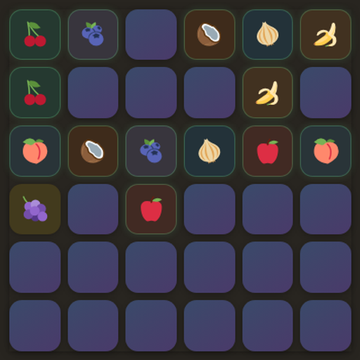
Memory Pairs is the classic version. Every card hides a food picture, such as a pear or a croissant, and each picture appears on exactly two cards. Your aim is to clear the board in as few moves and seconds as possible, which means remembering every miss.
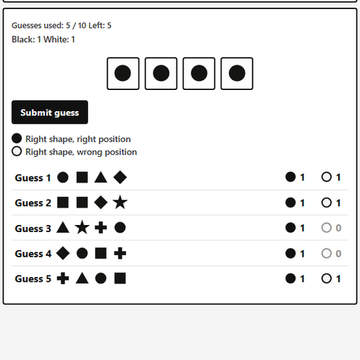
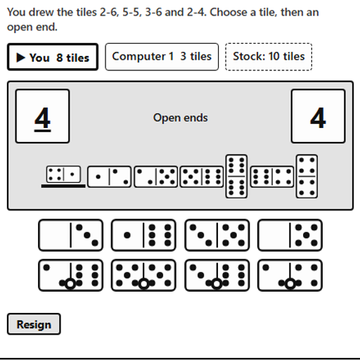
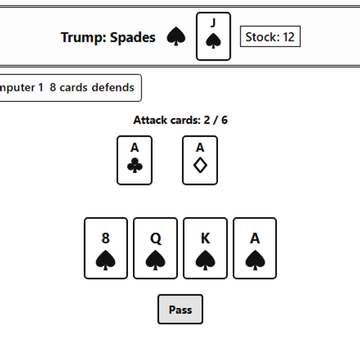
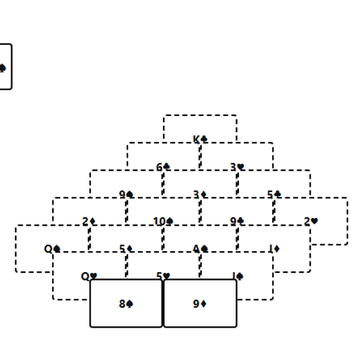
Several games make memory part of reasoning. Bulls and Cows gives you pegs after each guess at a hidden row of four shapes, and you have to keep earlier results in mind to narrow the code. In Dominoes, a double-six set has 28 tiles, so tracking what is already on the table hints at what is still out there. Durak works the same way with cards: knowing what has been played shapes every attack and defense.
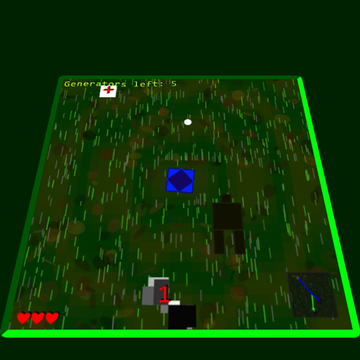
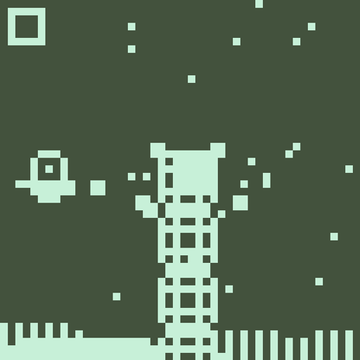
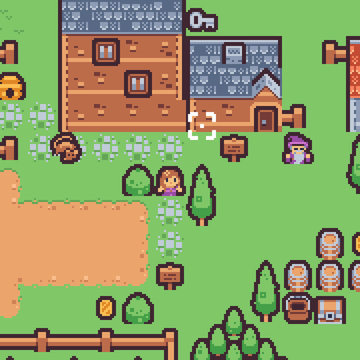
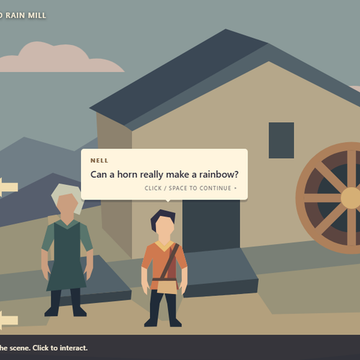
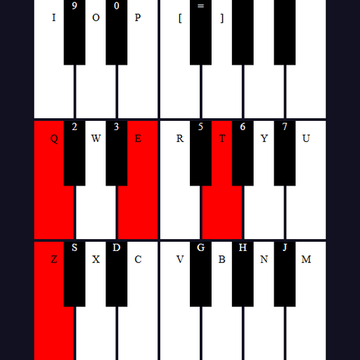
Memory also shows up in stranger places. Egg Time Rewind sends the clock back when you lose your ship, with your earlier runs flying beside you as ghosts. Can’t Get Back wipes out anything that drifts off its scrolling board, so you need to recall where things were. Tiny Synth Piano lays out 36 keys across three octave rows, which suits anyone who wants to repeat a tune by ear. The Sunshine Policy is a short point-and-click adventure where keeping track of people and items moves the story forward.
Picking by Difficulty
Each game page has a difficulty label. Memory Pairs, Dominoes, Tiny Synth Piano and The Sunshine Policy are marked easy. Bulls and Cows, Durak, Egg Time Rewind and Can’t Get Back are medium, since memory there has to work alongside planning or quick hands.
A Tip for Parents and Teachers
Before a player flips or guesses, ask them to say what they remember about the board. Saying it out loud often fixes it better, and it shows you which details they are tracking and which ones slip away.