


Seeing Shapes in Your Head
Spatial reasoning is the skill of turning, flipping and placing things in your imagination. You use it to pack a suitcase, read a map or picture furniture in a room. In a game it shows up as the moment you realize a piece fits if you rotate it once more.
How These Games Train It
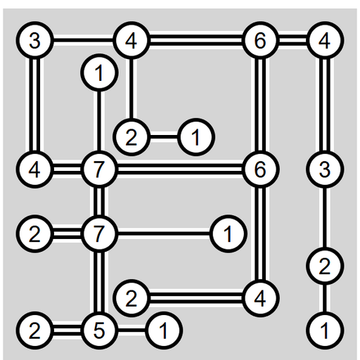
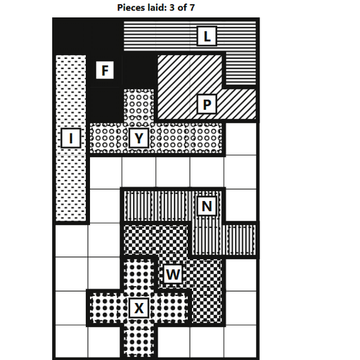
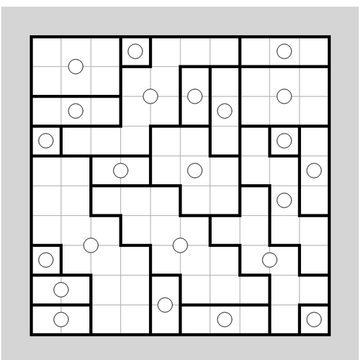
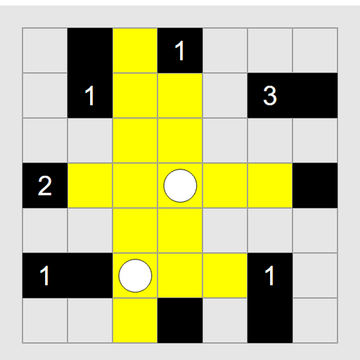
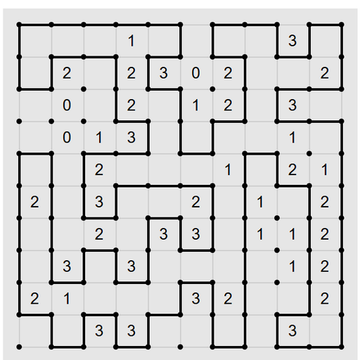
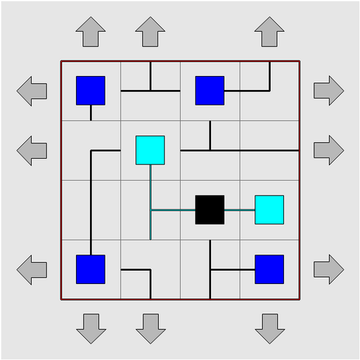
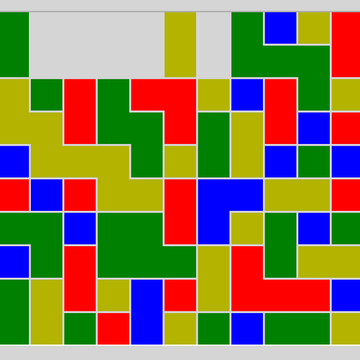
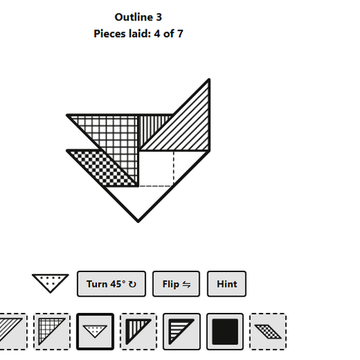
Tangram gives you seven flat pieces that together make a square, and you arrange them inside a silhouette with no overlaps or gaps. Five-Square Tiling Puzzle uses twelve shapes made of five squares each, labeled by the letters they resemble, to cover a rectangle. Galaxies Symmetry Puzzle has you draw walls so each region looks the same after a half turn around its dot.
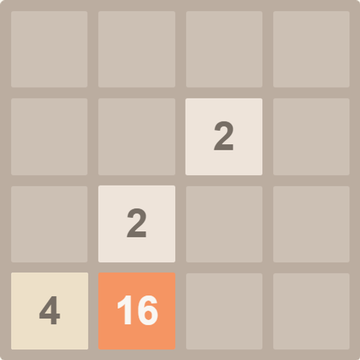
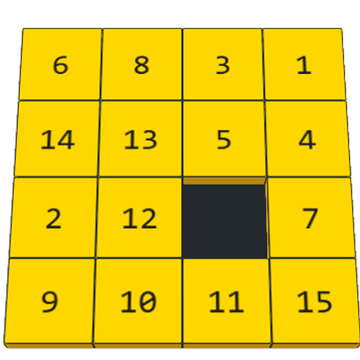
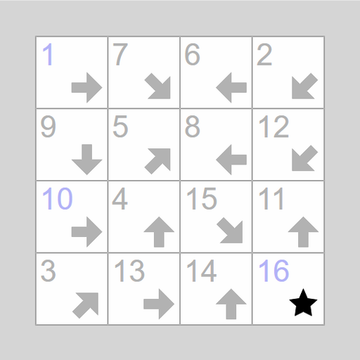
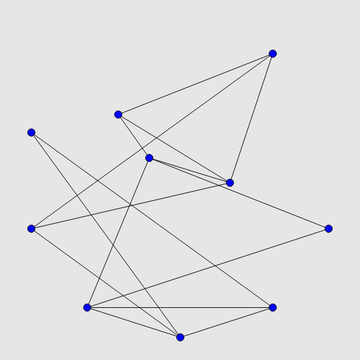
Movement puzzles test a different side. Fifteen Slide puts fifteen numbered cubes and one gap in a 4x4 frame, and you can only move a block that touches the empty square. Untangle Lines asks you to drag dots until no line crosses another.
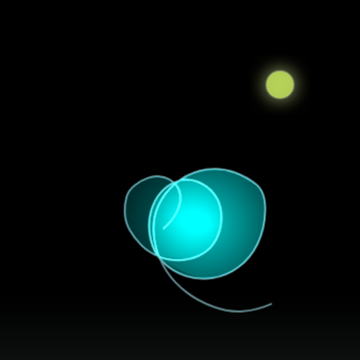
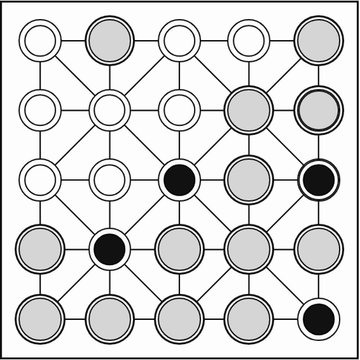
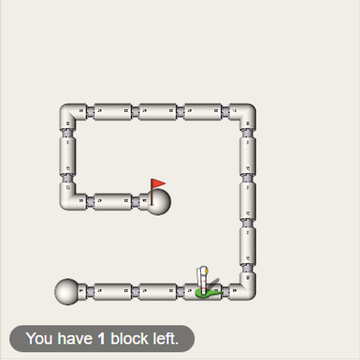
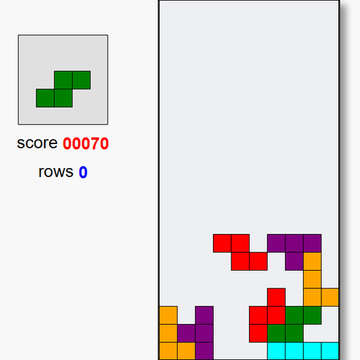
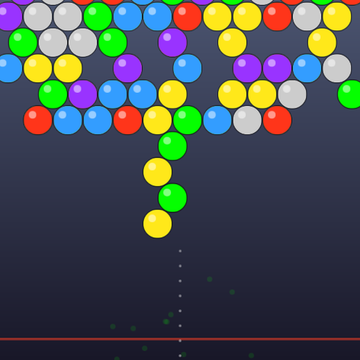
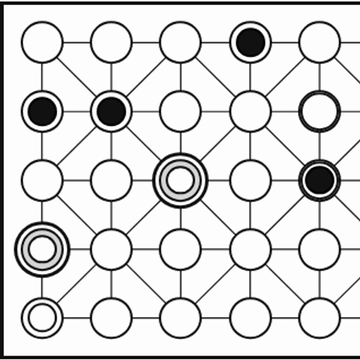
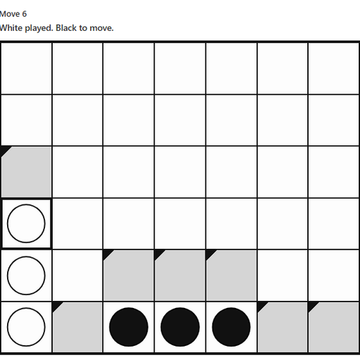
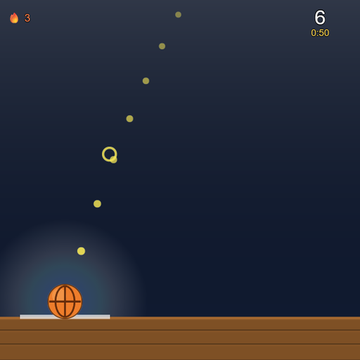
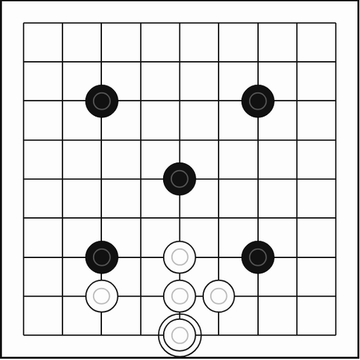
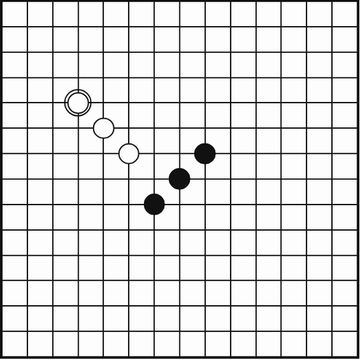
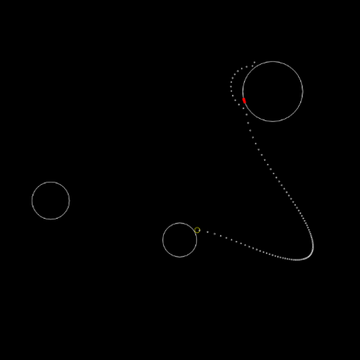
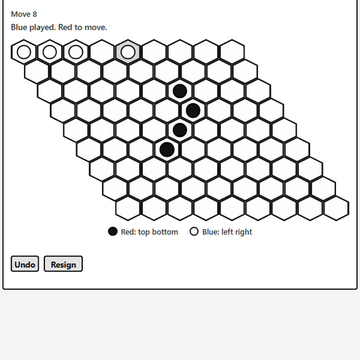
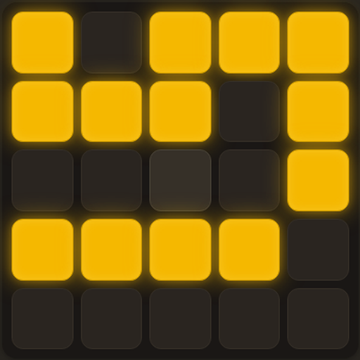
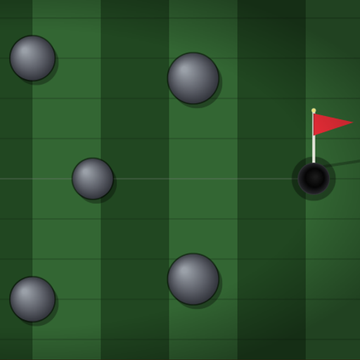
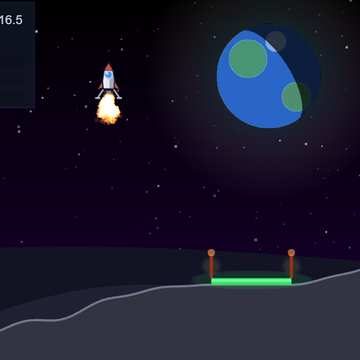
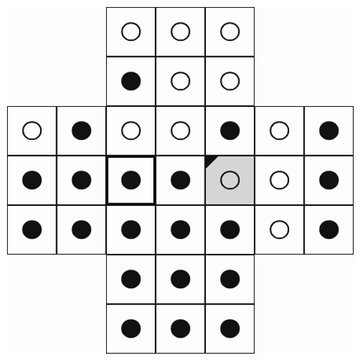
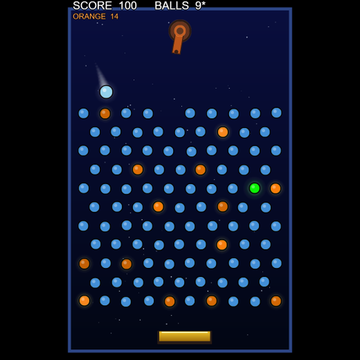
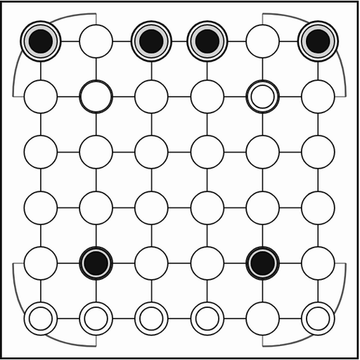
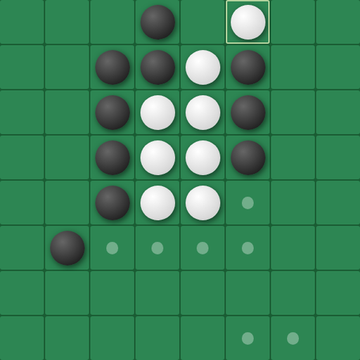
Some games add motion and physics. Gravity Golf swaps grass for planets that pull on your ball, so every shot curves. Block Drop drops four-square pieces into a court ten wide and twenty tall, and you rotate them to fill rows. Hextris spins a hexagon so blocks land on the side you choose. Board games like Hex and Go use space strategically, since control of areas decides the winner.
Choosing by Difficulty
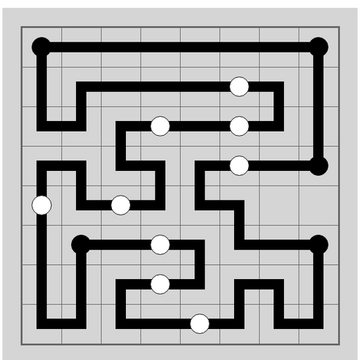
Check each game’s difficulty label. Untangle Lines is easy and a gentle start. Tangram, Fifteen Slide, Gravity Golf, Galaxies and the tiling puzzle are medium, with clear goals that take some practice. Go is hard, and so are puzzles like Netslide Pipe Puzzle, where a single slide shifts a whole row of pieces.
A helpful trick for slide puzzles is to solve the top row first, then treat what is left as a smaller puzzle.
A Tip for Parents and Teachers
Keep some paper handy. Sketching a shape or a path before trying it on screen helps players connect the picture in their head with what actually happens.