
The Arcade Formula
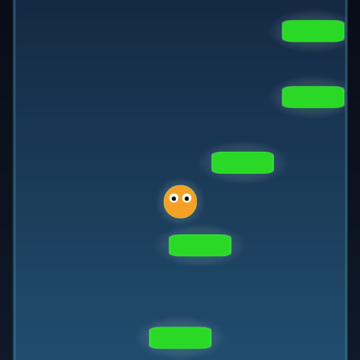
An arcade game strips play down to a single loop. You learn the controls in seconds, a round ends fast, and your score tells you exactly how you did. That loop makes them good for a short break between homework tasks or while waiting on something else.
Match the Game to Your Reflexes
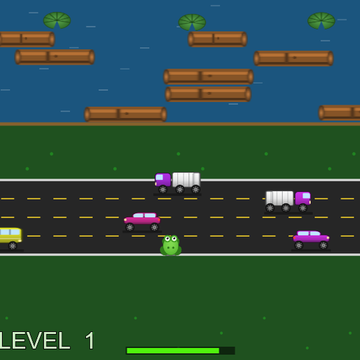
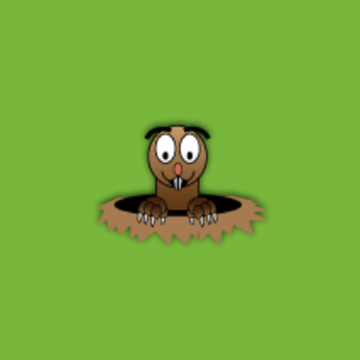
Gentle and steady. Mole Bonk asks you to click ten cartoon moles before they duck, with more points for faster hits. Hop Across moves a frog square by square across traffic and a river of logs.
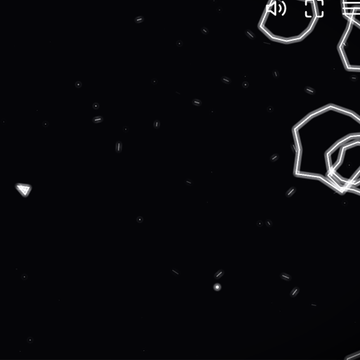
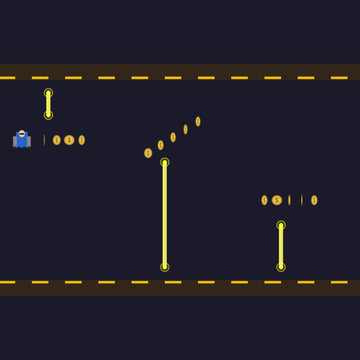
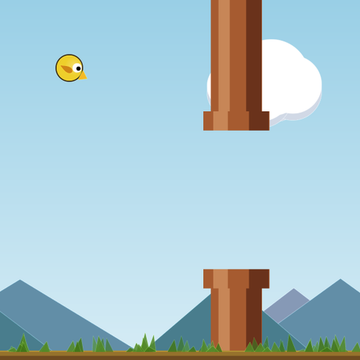
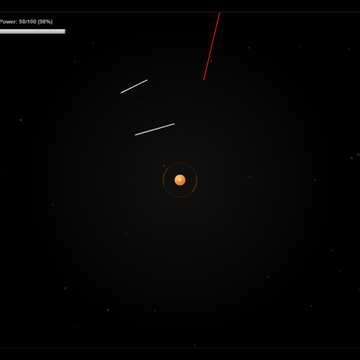
Fast and twitchy. Rock Blaster has you pilot a coasting ship that cracks space rocks into fragments while saucers fire back. Jetdash threads a jetpack pilot past zappers, missiles and turning lasers.
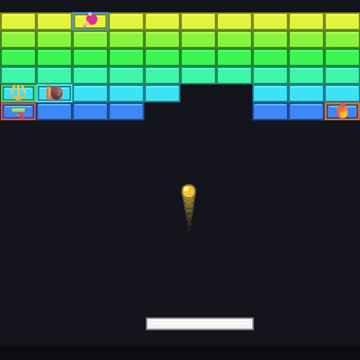
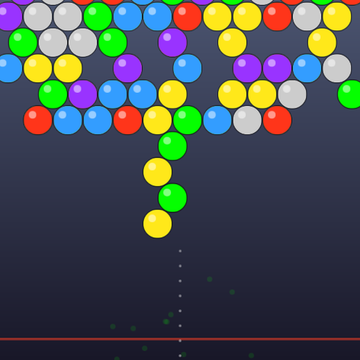
Aim and angles. Bubble Pop Shooter rewards banking shots to burst same-color groups before the field reaches the red line. Brick Smash lets you choose which power-ups to free across five brick layouts.
Table and Court Classics
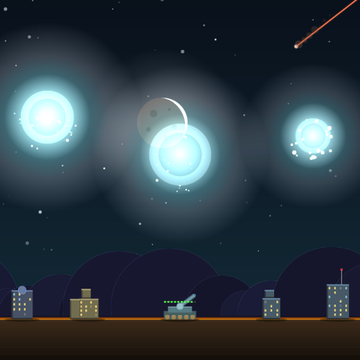
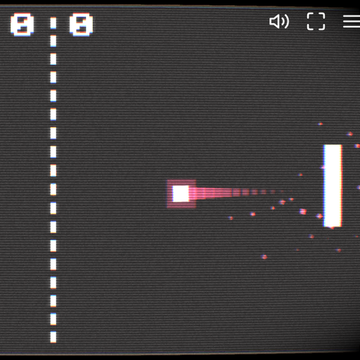
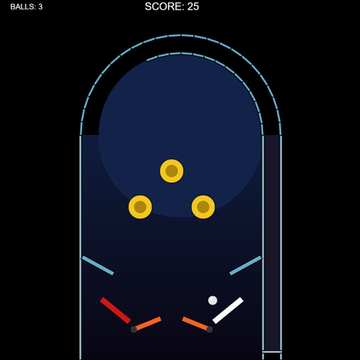
Some games here recreate a physical machine or court. Pinball is a small flipper table with three bumpers, two slingshots and three balls per game. Paddle Duel is a neon court where edge hits and spin decide the race to 10. City Shield has you set off blasts in the night sky to protect six cities from falling missiles.
How to Raise Your Best Score
Most early losses come from rushing. In the first seconds of a round, watch the pattern before you react, then commit to small, steady inputs. In games with a moving target, aim where it is going, not where it is now. Play three short rounds in a row and you will usually see your best score creep upward.
It also pays to notice how each game speeds up. Many arcade rounds start slow and then add more objects or faster movement, so the first few seconds are your best chance to settle in. Treat that calm opening as practice for the busy stretch that follows.
Finally, pick the right control for you. Some games here are built around a mouse, others around taps or a few keys, and the game page lists the controls so you can check before you start a round.