Why Play Head to Head
Playing against a real person changes a game. You start reading your opponent, noticing their habits and wondering what they are planning. A board game for two also slows things down in a good way, since each turn gives both players a moment to think and talk.
Two Player Games You Can Try
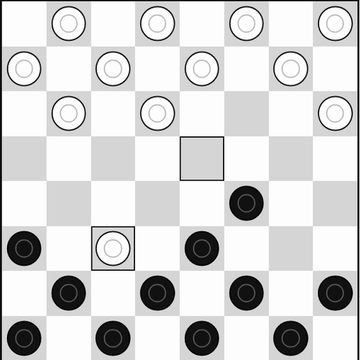
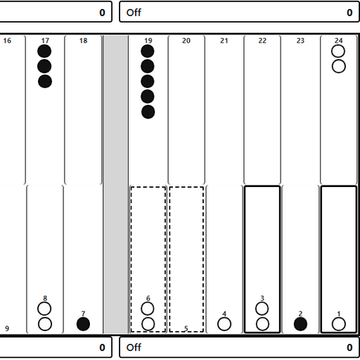
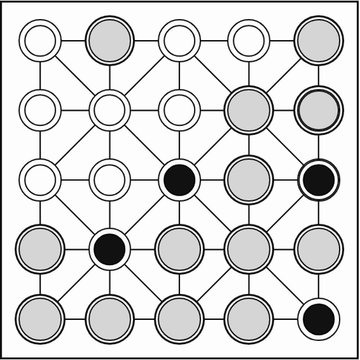
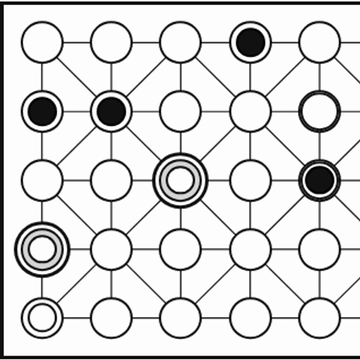
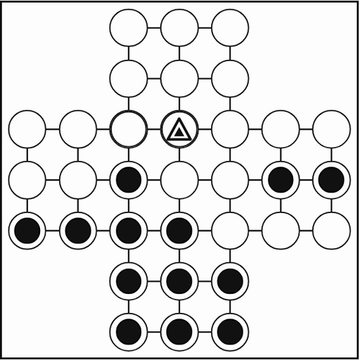
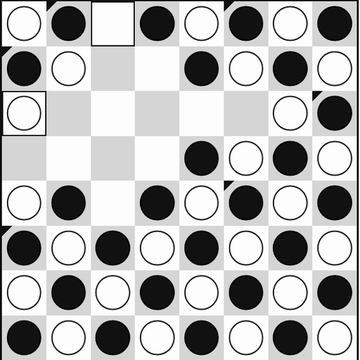
Many picks here are old board games. Checkers gives each side 12 pieces on an 8x8 board, and you win by capturing everything or leaving your rival with no legal move. Backgammon is a race with 15 checkers per side around 24 points, where dice set the distance and your choices decide the pace home.
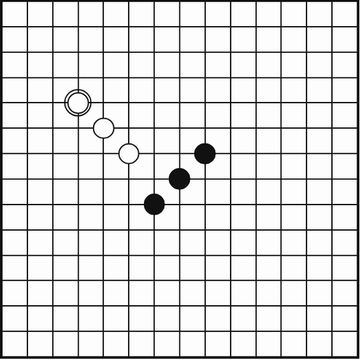
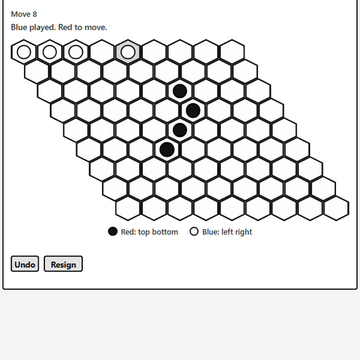
Some games are about territory or connection. Go has you place black and white stones on grid crossings, and whoever controls more of the board at the end wins. Hex uses a 9x9 diamond of hexagons, and you try to join your two edges with an unbroken chain. Four in a Row has players drop discs into a seven-by-six grid until someone links four.
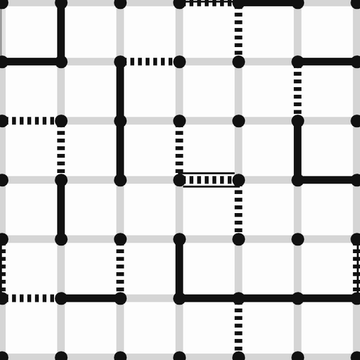
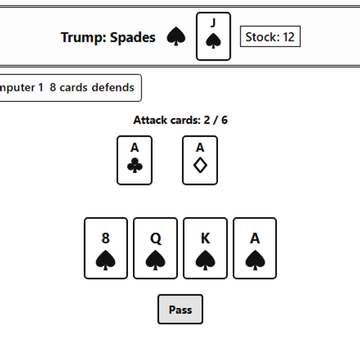
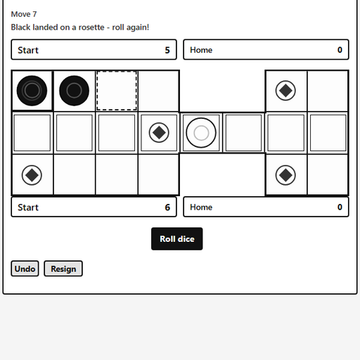
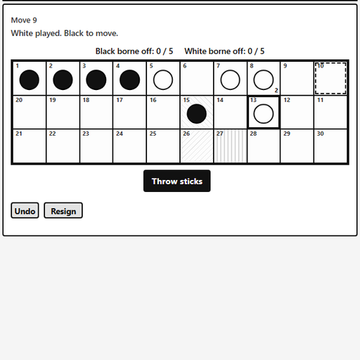
For something lighter, Dots and Boxes lets you add one line per turn and claim any square you close. Ancient race games round out the shelf: Royal Game of Ur moves seven pieces each along a path, and Senet uses five pieces on a 30-square track across three rows. Durak is a card game where the last person still holding cards loses.
Choosing by Difficulty
Check the difficulty label on each page. Easy and medium games, like Senet, Dots and Boxes or Checkers, work well when players are new or of different ages. Hard games such as Go reward many sessions, so they suit two players who want something to grow into together.
A fair way to handle a skill gap is to let the newer player practice against the computer for a few rounds, then switch to a human match once the rules feel familiar.
Tip for Families and Classrooms
Pair the loser of each round with the next challenger instead of letting the winner stay on. Everyone gets more turns, and players see a wider range of styles across one session.