






What Planning Ahead Means
Strategic thinking is about trade-offs. You give up something now to gain more later, or you hold back a resource until the moment it matters most. The core question is always the same: what happens after this move, and after the reply to it?
Games That Reward a Plan
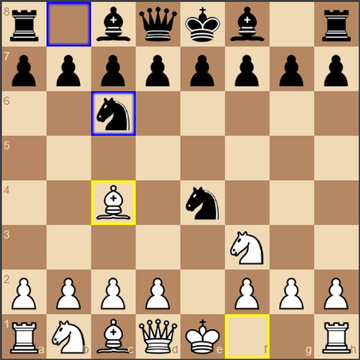
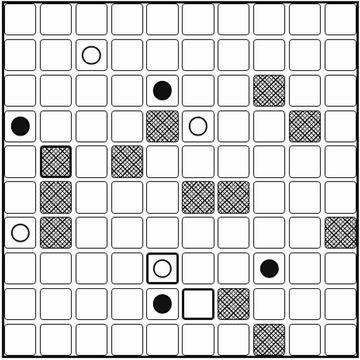
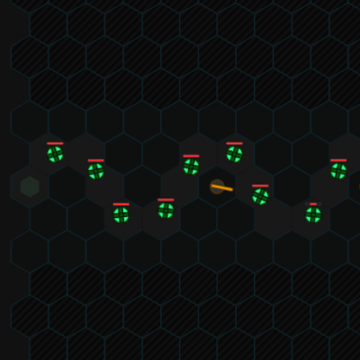
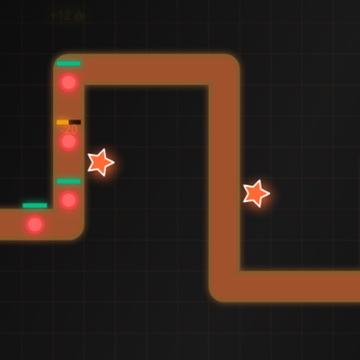
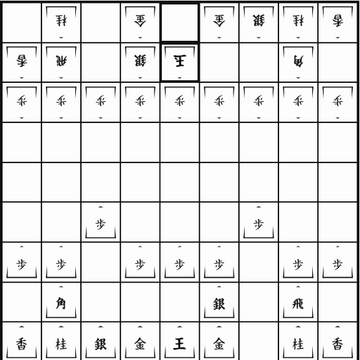
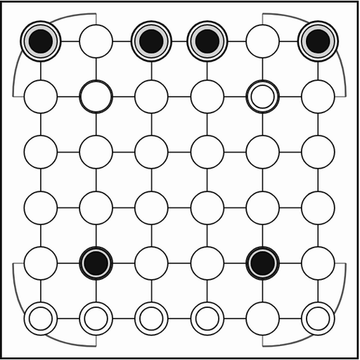
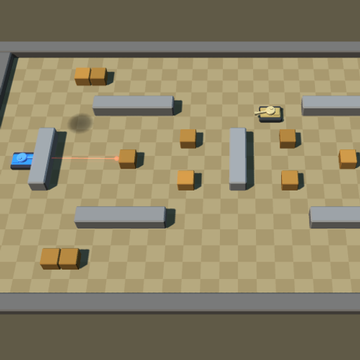
Chess vs Computer puts you on the White side against a compact JavaScript engine, with checkmate as the goal. It is the purest test here of looking several moves deep. Canvas Tower Defense shifts the planning to space and timing, since you place turrets beside a glowing road to stop endless waves of creeps.
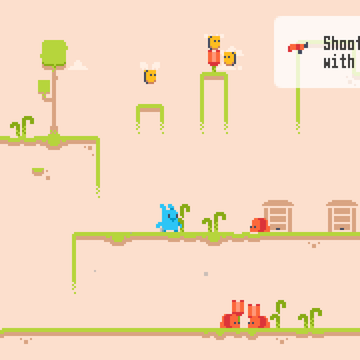
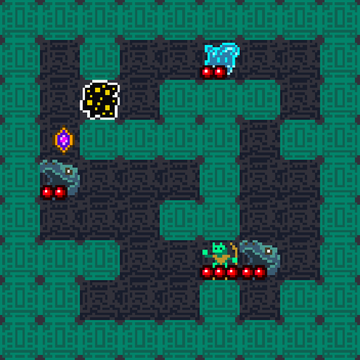
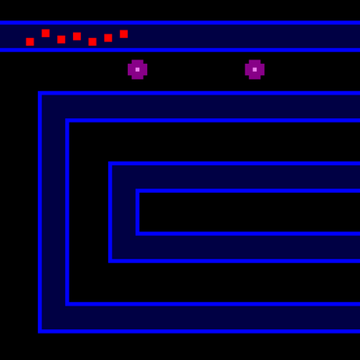
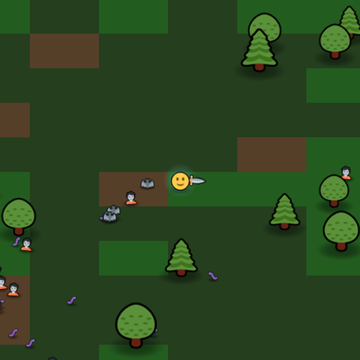
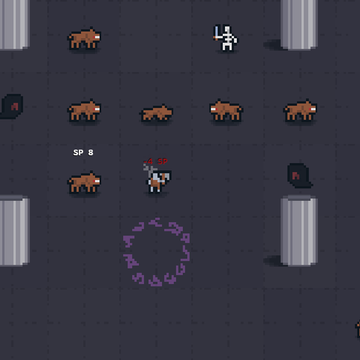
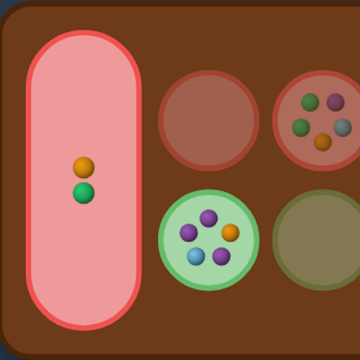
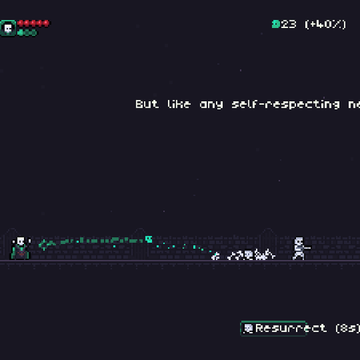
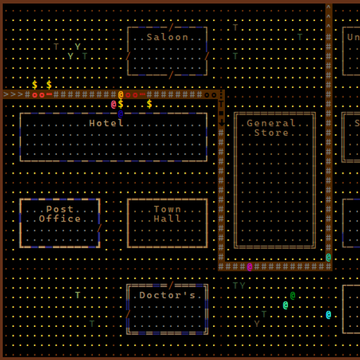
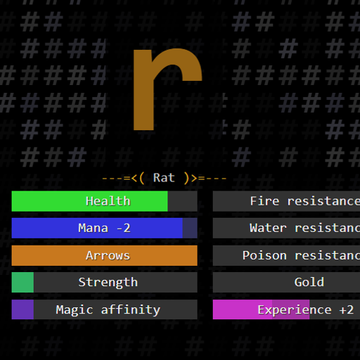
Some games split planning from action entirely. In The Great Train Robbery, you have $4,000 to build a gang, and once the plan starts you only watch it unfold. Warden’s Duty is a turn-based prison crawl where health, mana, arrows and gold all have to stretch as you go deeper.
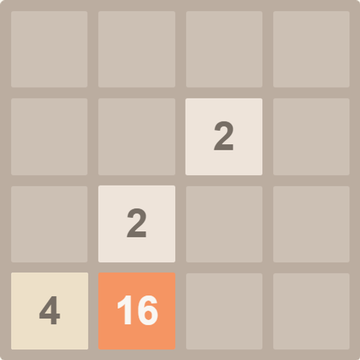
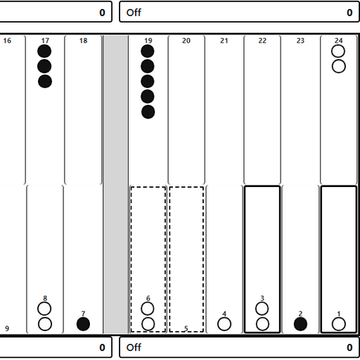
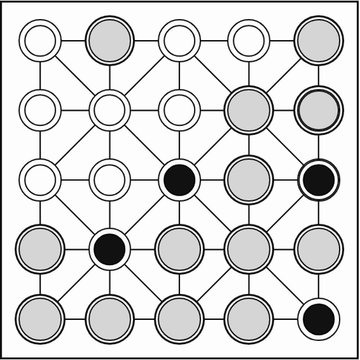
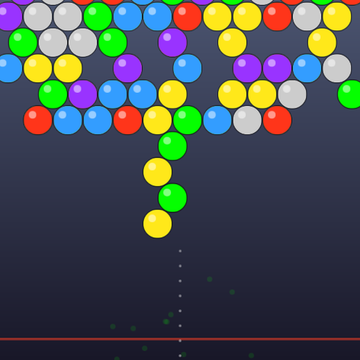
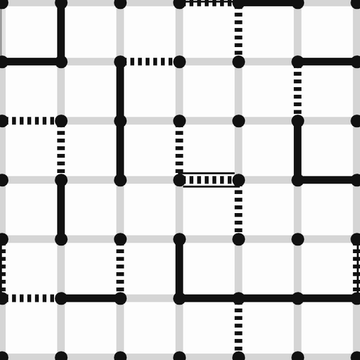
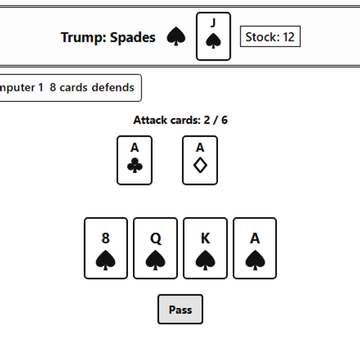
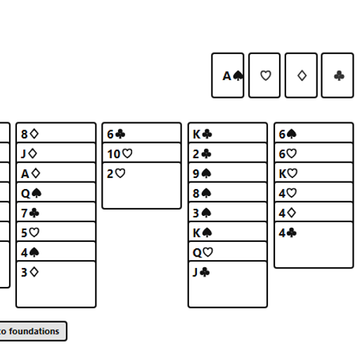
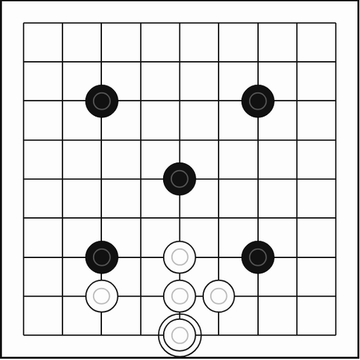
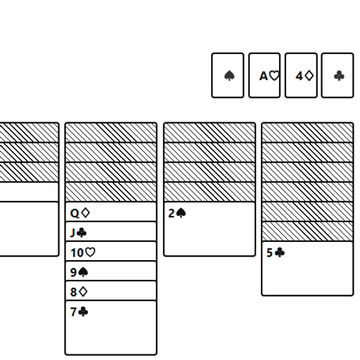
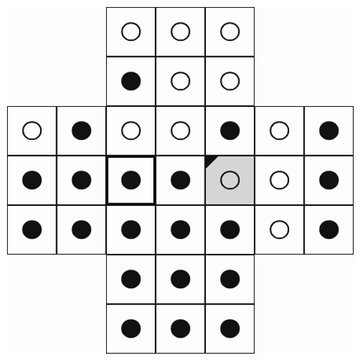
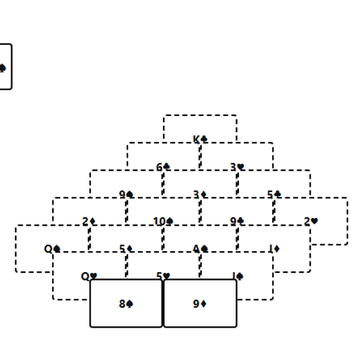
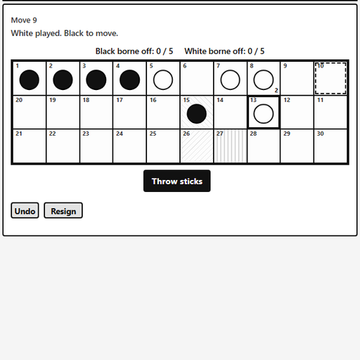
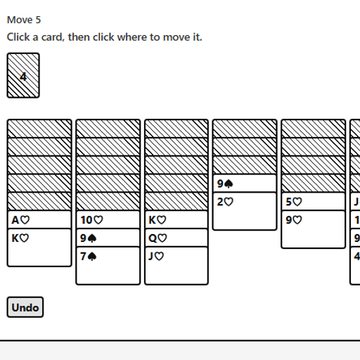
Card games add hidden information. Klondike Solitaire starts with 28 cards in seven columns, mostly face down, so the order you uncover them matters. Board classics belong too: Backgammon mixes dice with choices, and Dots and Boxes turns on who claims squares and who has to give them away. Even 2048 rewards a long-range plan for where your biggest tile should live.
Picking by Difficulty
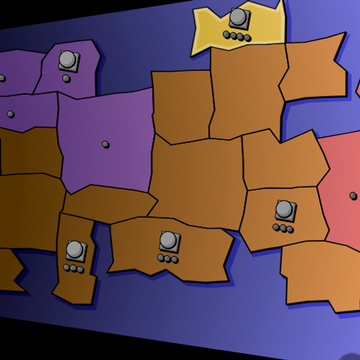
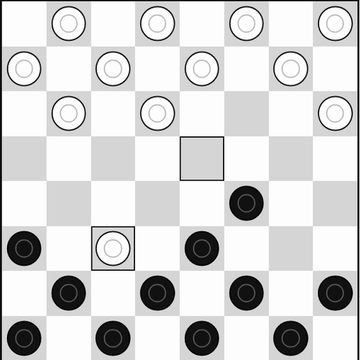
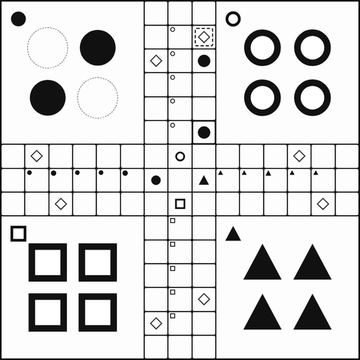
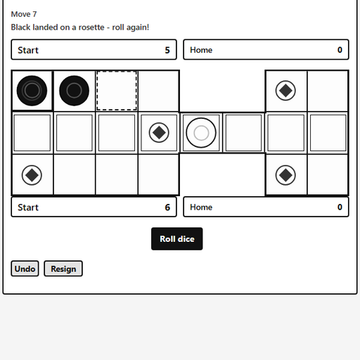
The difficulty label helps you choose. Easy strategy games such as Ludo or Senet give you a few meaningful choices per turn. Medium games like Klondike Solitaire or Canvas Tower Defense need you to plan around a handful of moving parts. Hard games, including Chess vs Computer and The Great Train Robbery, can take many attempts before a solid plan comes together.
When a hard game keeps beating you, change only one thing per attempt. That makes it clear which decision actually made the difference, and it turns each loss into a small experiment.
For Parents and Teachers
After a game, ask, “What would you do differently next time?” A player who can name one changed choice is already thinking strategically, whether they won the round or not.