


What Counts as a Math Game Here
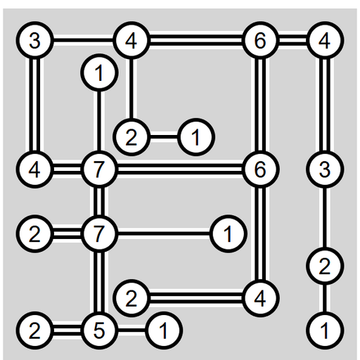
A game lands on this shelf when numbers are part of the actual decision you make. That can mean adding and dividing, comparing sizes, tracking a running total or seeing a pattern in how values double. Some games are plain arithmetic in disguise. Others hide the math inside a grid or a scoresheet, so you practice number sense without feeling like you are doing homework.
How the Games Use Numbers
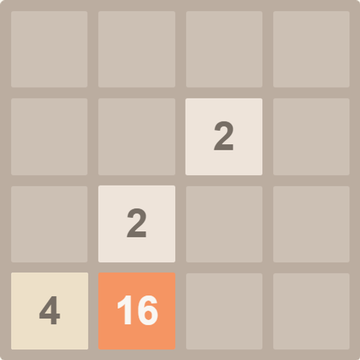
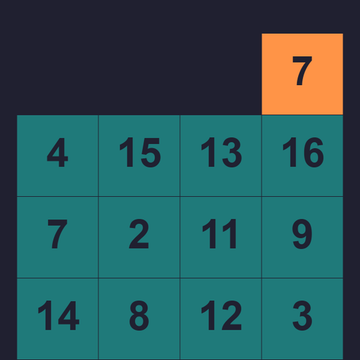
In 2048, equal tiles fuse into their sum on a 4x4 board, so you are always thinking in powers of two and planning where the next merge will happen. Factors Game gives you tiles numbered 1 to 16. A tile that divides your number evenly shrinks it, any other tile gets added, and the target is to end on exactly 1.
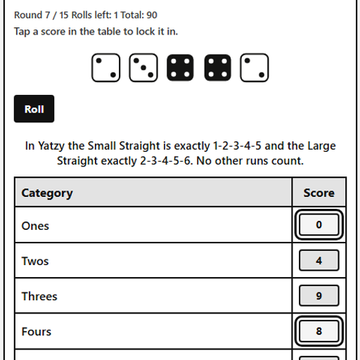
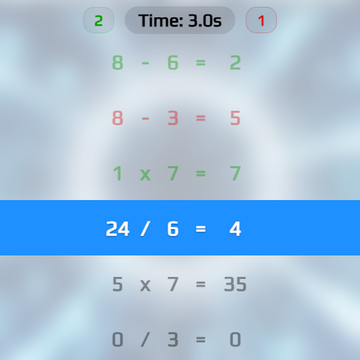
For quick recall, Math Sprint Game shows a column of equations and asks you to mark each one right or wrong while a timer runs. Five Dice Scorecard is calmer: you roll five dice up to three times and decide which of 15 boxes gets the result.
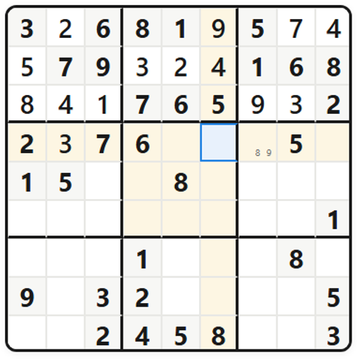
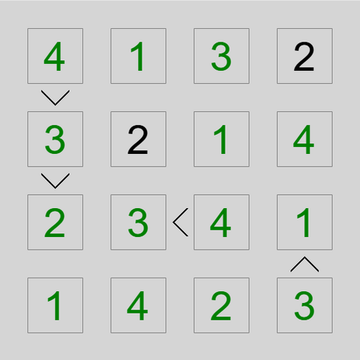
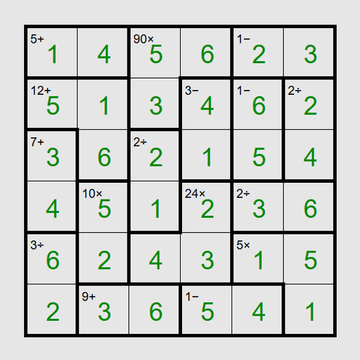
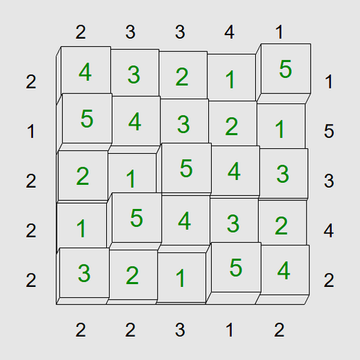
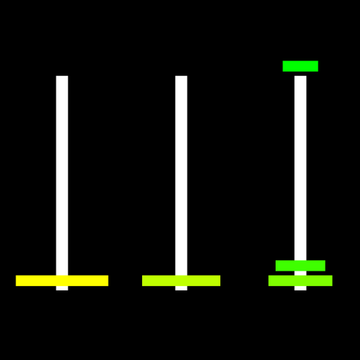
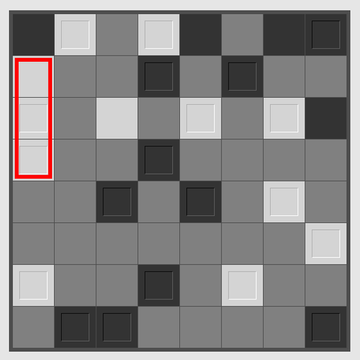
Grid puzzles bring logic in alongside the digits. Sudoku Flow asks you to place 1 through 9 with no repeats in any row, column or box. Greater-Than Grid adds small comparison signs between squares, and Skyscraper Sightlines turns building heights into clues about how many rooftops you can count from the border. Light Switch Grid and Tower of Hanoi both reward counting moves and looking for the shortest path to a solved board.
Picking by Difficulty
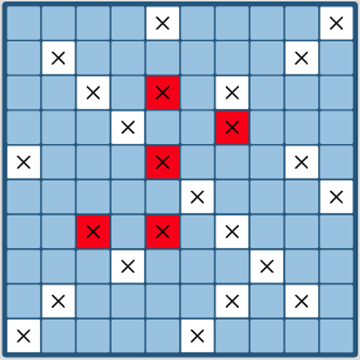
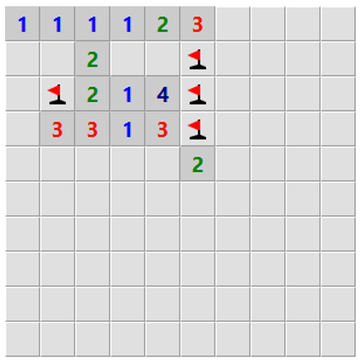
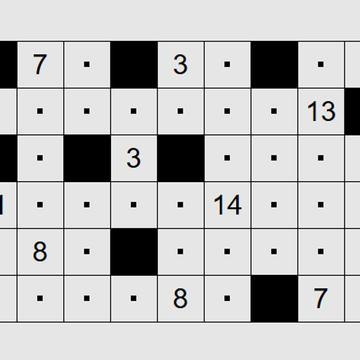
Each game page shows a difficulty label: easy, medium or hard. Easy games have short rules and fast rounds, which makes them a good warm-up. Medium games, such as 2048 or Sudoku Flow, take a few sessions before your play feels smooth. Hard ones, like Logic Mines, expect you to combine several number clues at once and can take a while per puzzle.
A good habit is to finish two or three rounds of an easy game, then try one medium game in the same style. If it feels like a wall, step back down for a day and return when the easier one feels automatic.
A Tip for Parents and Teachers
Ask the player to explain one move out loud. “Why did you put the 4 there?” turns a quiet puzzle into a short math conversation, and the answer tells you more than a score does.