What Belongs on This Table
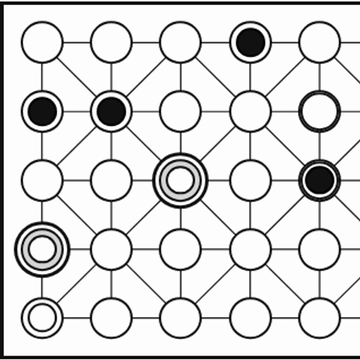
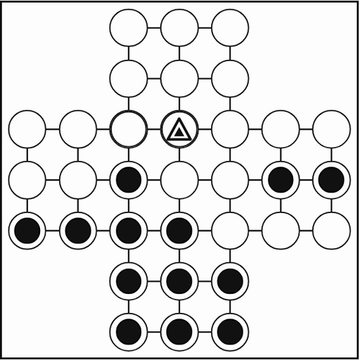
These are games you could set up on a kitchen table with a board, a deck or a pile of tokens. The rules come from tradition rather than from a list of designed levels, so each game feels complete from the first move. Some rely on dice and luck, others on pure planning, and many sit somewhere between.
Choosing by Who Is Playing
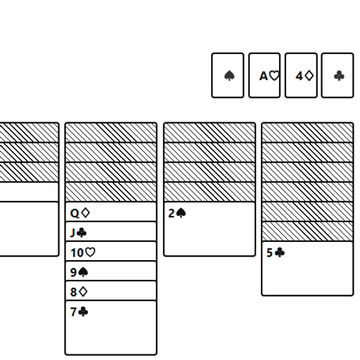
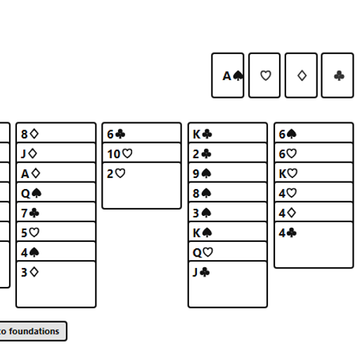
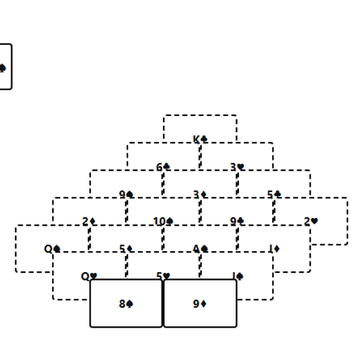
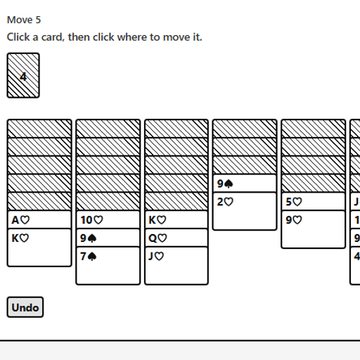
Just you. The solitaire layouts reward patience. Pyramid Solitaire clears a triangle by pairing cards that sum to 13, while FreeCell Solitaire shows every card so you can plan a whole sort ahead.
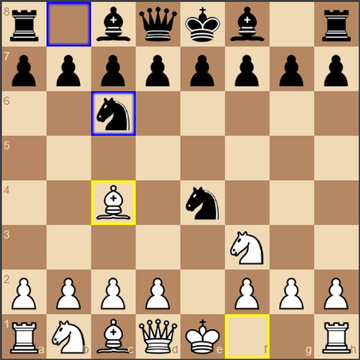
You against the computer. Chess vs Computer lets you choose how deep its small engine searches, with hints and undo for learning. Fleet Strike has you call shots on a hidden grid against a computer that plays the odds.
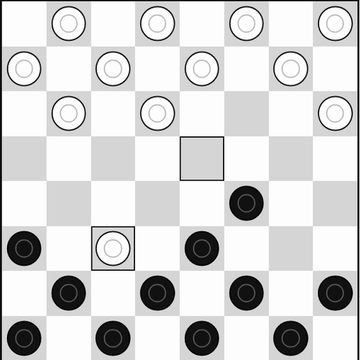
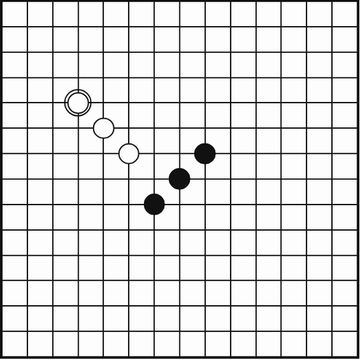
A friend beside you. Checkers supports two people on one device, and Four in a Row is a fast pick when you only have a few minutes.
Race Games and Their Old Roots
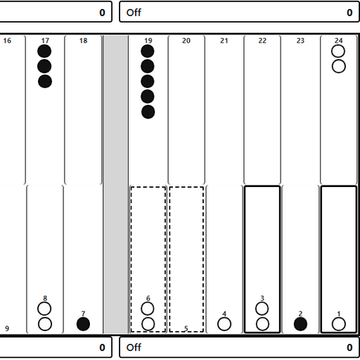
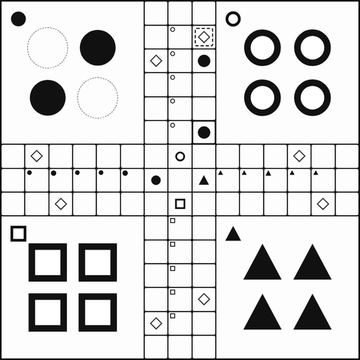
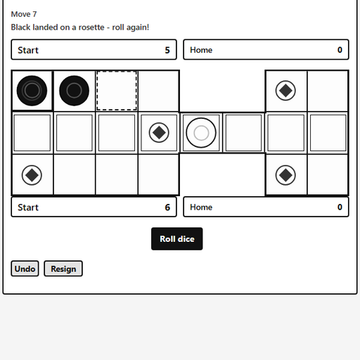
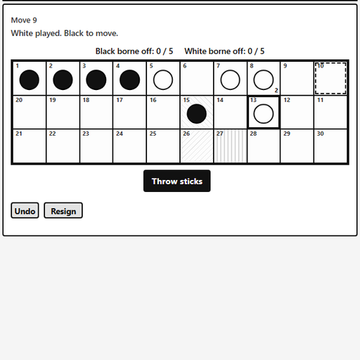
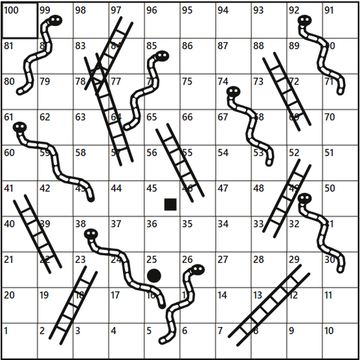
A good number of games here are races at heart. Ludo sends four tokens around a cross-shaped board, and Snakes and Ladders comes with two board sizes and two finish rules. Royal Game of Ur and Senet reach back much further in history. Dice decide how far you move, but choosing which piece to move still matters.
Getting Better Without Getting Frustrated
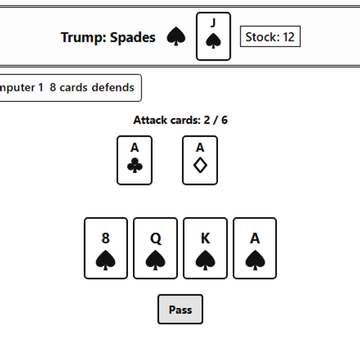
If you are new to a board game, play a few rounds slowly and watch what the computer does. Notice when it captures, when it holds back and which squares it guards. In card games, think about what is still hidden before you commit a move. Learning a classic takes a little time, but these rules have lasted for good reason.
Another good habit is to finish every game you start, even a losing one. The last few moves of a board game often teach the most, because there are fewer pieces left and each choice is easier to see. Over time you will spot the same patterns earlier in the game.
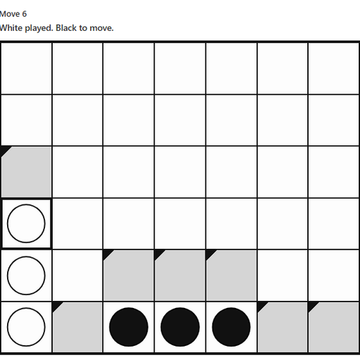
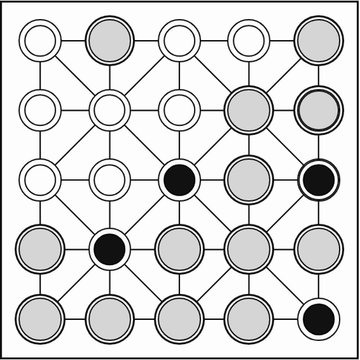
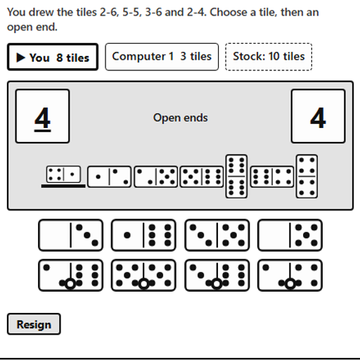
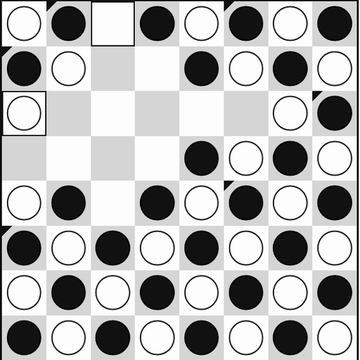
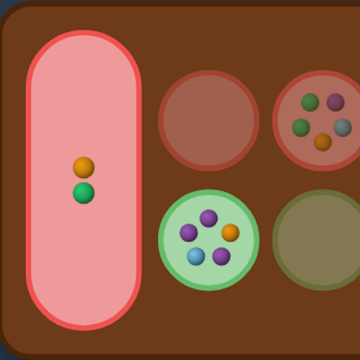
If one game feels too slow, try a faster one from the same family. Dominoes and Four in a Row finish quickly, while Mancala, Fanorona and Konane ask for more careful counting before each move.